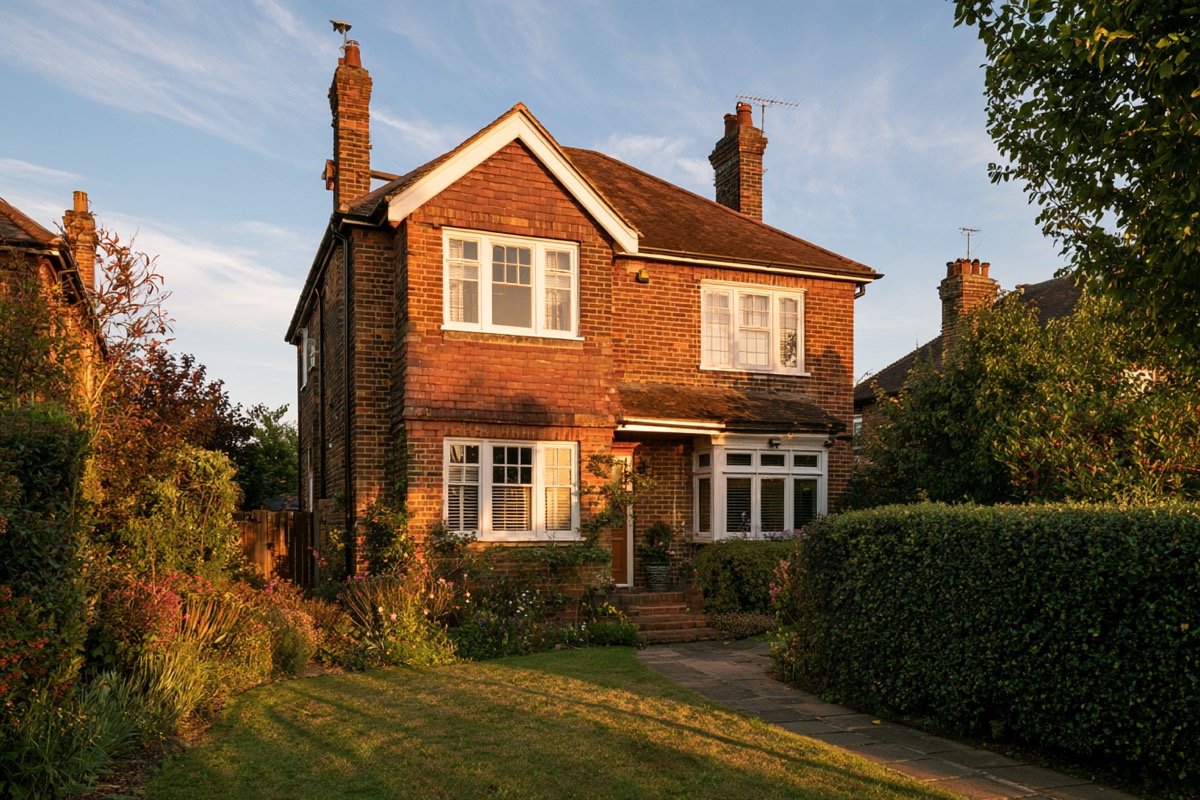
Most expensive repairs start life as a cheap fix nobody got round to. A split silicone bead becomes a swollen bath panel. A blocked gutter becomes a damp bedroom wall. A flaking window sill becomes a rotten frame. Property maintenance is simply the habit of catching those small jobs early — and this checklist is how we'd run it.
Surrey homes need it more than most. We work in Victorian terraces in Croydon and South Croydon, 1930s semis from Kenley to Earlswood, and period cottages out towards Warlingham and Whyteleafe — lovely housing stock, but none of it looks after itself. Add weather rolling off the North Downs and you have exteriors that earn their keep.
Most of what we get called out to could have been caught six months earlier for a fraction of the cost — that's not a criticism, it's just how houses work. Here's a year of maintenance, season by season — including the bits we'd happily leave you to do yourself.
"We are hard working professional tradesmen who charge fair price for good quality work and no nonsense. If you spot a defect, we will come to rectify for free."
— Fred, Recommended Tradesmen, Kenley
The Seasonal Checklist
Spring: check what winter did
Start outside, from the ground:
- Gutters — clear winter debris and check the joints. A stain stripe down the wall below a gutter means a leak that's been running all winter.
- Exterior woodwork — press-test sills and frames with a thumbnail. Softness means rot is starting. Flaking paint means water is getting in already.
- Render and pointing — hairline cracks let water in behind the surface, then frost makes them bigger.
Inside, check silicone and sealant after a winter of condensation, and look behind furniture on cold external walls for mould marks.
One more spring job: book exterior work now. The fair-weather window is spring to early autumn and diaries fill fast — our guide to exterior woodwork painting, timing and weather explains why the window matters.
Summer: exterior season
This is when the outside of the house gets its turn:
- Exterior painting and timber repairs — proper drying conditions make the finish last
- Fences, gates and decking cleaned and re-treated
- Vegetation cut back off walls, air bricks clear
It's also the best season for bigger interior projects — windows open, paint dries fast, and you're not living around wet work in January.
One summer job that pays for itself: walk the whole exterior slowly, looking up. Most homeowners haven't looked properly at their own fascias and bargeboards in years. What you're checking for is flaking paint, hairline gaps where timber meets render, and any sill that holds water after rain. Photograph anything doubtful — it's much easier to quote from a photo, and you'll have a record to compare next year.
Autumn: get ready for winter
- Gutters again, after most of the leaves are down — clearing them in October and clearing them again in late November is normal, not overkill
- Roofline check from the ground: slipped tiles, moss build-up
- Perished seals around doors and windows — draughts you feel in December start here
- Bleed radiators before the heating season, and get the boiler serviced by a Gas Safe engineer (not our trade — but it's on the list because it matters)
- Check the loft after the first heavy rain for staining
- Interior paintwork check: hallways, stairs and landings take the most knocks — if they're looking tired, autumn is when most people book the work, before the house fills up for Christmas

Autumn gutter clearing — the twice-a-season job that prevents damp walls all winter.
Winter: interior season
- Watch cold external walls for condensation — keep background warmth and ventilation going, even in rooms you barely use
- After storms, do the exterior check from ground level again
- Winter is a good season for interior decorating — the house is shut up anyway, and it's what our diary is built for
- What you should not do is paint exteriors in the cold and damp. It won't cure properly and you'll pay for the same job twice.
Landlords: The Between-Tenancies Checklist
Void days cost rent, so the turnaround matters as much as the work. Here's the running order we'd use:
- Walkthrough against the inventory — list everything before deciding what's touch-up and what's full redecoration
- Making good — fill, sand and spot-prime damage; walls that are past touching up get a full repaint
- Bathrooms and kitchen — re-silicone, grout touch-ups, the details the next tenant photographs on day one
- The working parts — doors eased, hinges and handles tightened, curtain rails and blinds sorted
- Kerb appeal — the front door and sills are the first thing the next tenant sees
Timing-wise: a standard bedroom repaint takes 2–3 days done properly, so a whole flat turns around in days, not weeks, when the list is batched into one visit. And if the walkthrough shows more than a refresh — blown plaster, woodwork that's shot — that's refurbishment territory. Our property refurbishment guide for Surrey covers where to start.

A between-tenancies refresh: neutral paintwork, touch-ups finished, ready for the next tenant.
One honest note on scope: not every scuff is a repaint. Fair wear and tear — small scuffs, light marks, minor nail holes — is usually a touch-up job, and we'll say so. Tenants (and deposit schemes) can tell the difference between a refreshed property and a quickly painted-over one, and so can we.
We work with landlords across our Surrey patch, from Redhill to Caterham — one point of contact, one batched visit where possible, and a fixed written quote before we start. If you manage a few properties, it also means one number for everything rather than a diary full of different trades.
DIY vs Calling Someone In — Honest Version
We're not going to tell you everything needs a professional. It doesn't.
Sensible DIY: refreshing silicone, touching up paintwork, bleeding radiators, tightening hinges and handles, clearing ground-level drains and gullies.
Call someone in: exterior work at height (ladders above ground floor are where weekends go wrong), rotten timber repairs, and recurring damp — find the cause first, whether it's a gutter, pointing or condensation, before anyone paints over it. And if a whole flat needs turning around between tenancies, the maths of void days usually beats the DIY saving.
If you're handy, a Saturday and a tube of silicone sorts the bathroom. If the job needs more than that, that's what we're for — and we'll tell you honestly which one yours is.
What a Maintenance Visit Actually Looks Like
Nothing complicated. You walk us round — or send photos and a list — and we quote the whole thing fixed and in writing, so you can see what each item costs and prioritise if you want to. On the day we protect the floors, work through the list, and leave the house tidy. If we find something unexpected mid-job — a soft sill behind a flaking sill plate, say — we stop, show you, and price it before doing anything extra. No surprises on the invoice, ever.
That's the same way we run everything, maintenance visit or full redecoration. It's also why the list itself is worth writing down properly: a good list is half the quote.
What Property Maintenance Costs
Our day rate runs £250–£350, and a batched list of maintenance jobs usually fits a half or full day — single-visit jobs cost less. Everything is quoted fixed and in writing before we start, so there's no meter running. A note on pricing, same as we say everywhere: condition decides more than room size, so figures are a guide until we've seen the job — the fixed quote is the number that counts.
The maths is the point. A full exterior repaint on a 3-bed house runs £4,000–£6,000 — a day or two of maintenance a year is how you push that job years into the future. Catching a soft sill early is a repair; leaving it two winters is a replacement.
Every job carries our 24-month workmanship guarantee, and we're fully insured to £1M.
Frequently Asked Questions
How often should you repaint exterior woodwork?
There's no fixed schedule — exposure decides. Check every spring: south-facing and weather-facing elevations go first. A properly prepared and primed exterior system lasts years, not seasons, and catching flaking early means a prep-and-repaint rather than timber replacement.
What does a property maintenance visit cover?
Your list, batched: sealant and silicone, minor repairs, doors eased, rails and shelves fixed, woodwork touch-ups and decorating snags. We quote the whole list fixed, in writing, before we start.
Do you work with landlords?
Yes. Between-tenancy refreshes and ongoing maintenance across our Surrey patch — turnaround-focused, one point of contact, and scheduled around your void period where possible.
Which areas do you cover?
We're based in Kenley and cover Croydon, South Croydon, Purley, Sanderstead, Caterham, Coulsdon, Warlingham, Whyteleafe, Redhill and the surrounding villages.
Related Posts
Exterior Woodwork Painting: Timing, Weather & Prep Guide
Why the fair-weather window matters for exterior work
Property Refurbishment in Surrey: Where to Start
When the list is bigger than maintenance — where to start and what affects the cost
How to Fix Peeling Paint
Spotted flaking paint on your checks? Here's the fix
Services We Offer
- Handyman Services — the odd-job list, batched into one visit
- Exterior Painting — protection that lasts years, not seasons
- Interior Painting — refreshes and full redecorations, winter-friendly
- Property Refurbishment — when the walkthrough shows more than a refresh