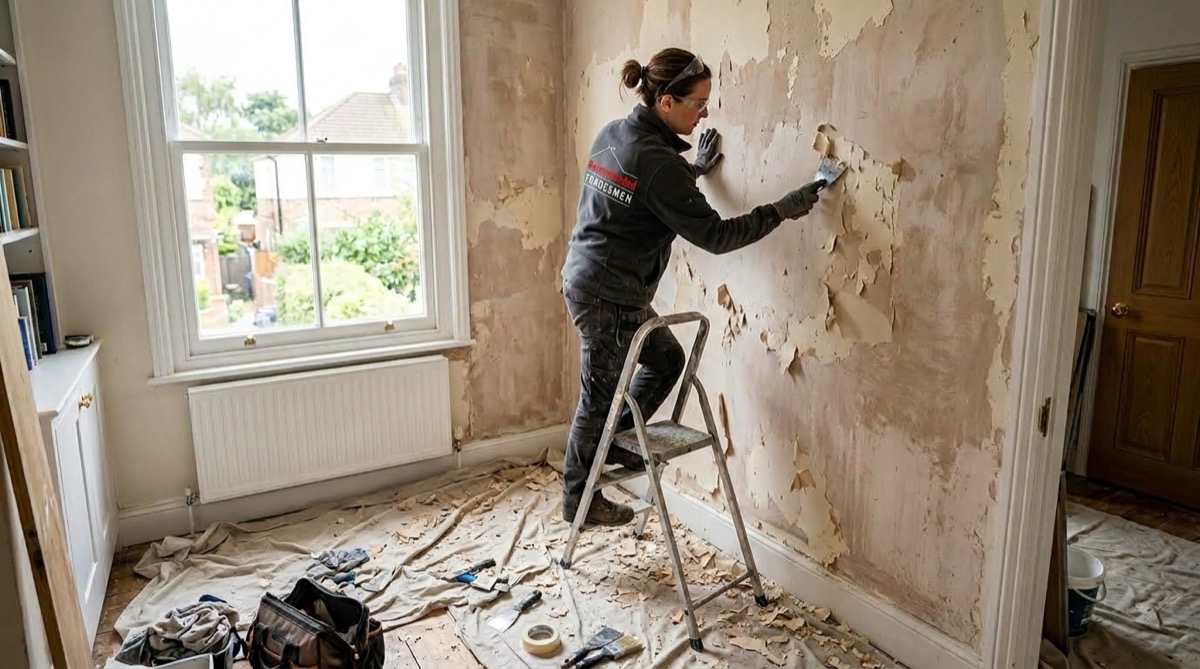
Peeling paint is one of the most frustrating problems in a home. It makes a room look neglected and usually means something underneath isn't right. We've fixed peeling paint in hundreds of homes across Croydon, Purley, Kenley, Caterham, Warlingham and Redhill over the last 15 years, and the cause is almost always the same: someone painted over a problem instead of fixing it first.
The good news is that once you know the cause, the fix is usually straightforward. This guide covers why paint peels, how to repair it properly, and how to stop it happening again.
"We are hard working professional tradesmen who charge fair price for good quality work and no nonsense. If you spot a defect, we will come to rectify for free."
— Fred, Recommended Tradesmen, Kenley
Why Paint Peels
- Moisture. Bathrooms, kitchens and exterior walls are the most common culprits. Water gets behind the paint and pushes it off the surface.
- Poor preparation. Painting over dust, grease, glossy surfaces or loose paint will cause the new coat to fail.
- Wrong paint for the surface. Using interior paint outside, or applying emulsion over bare wood, will not last.
- Too many layers. Decades of paint build up can become brittle and start flaking.
- Heat and humidity. Rapid temperature changes, steam and high humidity stress the paint film.
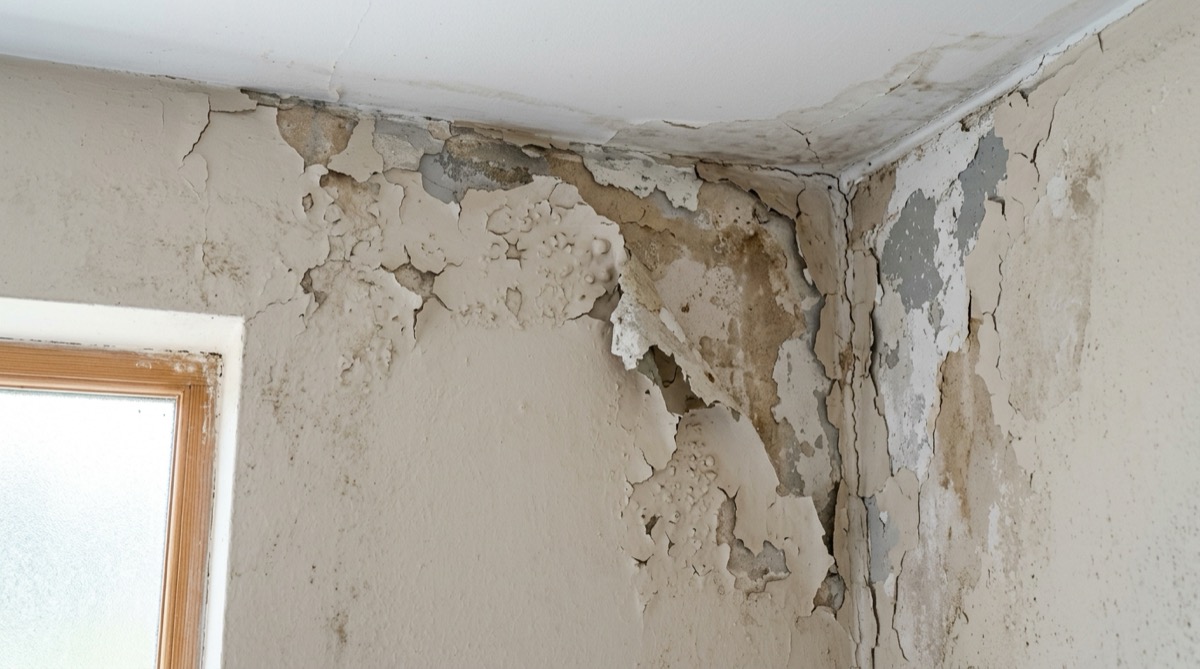
Peeling and bubbling paint like this almost always means moisture is getting behind the surface.
How to Repair Peeling Paint
Step 1: Protect the area
Lay dust sheets and mask off adjacent surfaces.
Step 2: Scrape loose paint
Remove everything that is flaking, bubbling or loose. Feather the edges with sandpaper so the repair blends in.
Step 3: Identify the cause
If the wall is damp, fix the leak or condensation issue before painting. No paint will stick to a damp surface.
Step 4: Repair the surface
Fill holes and cracks. For stained or water-damaged areas, apply a stain block primer first.
Step 5: Prime
Bare plaster, wood or filler needs a suitable primer. Skipping this is the main reason repairs fail.
Step 6: Paint
Apply two coats of the right paint, allowing drying time between coats.
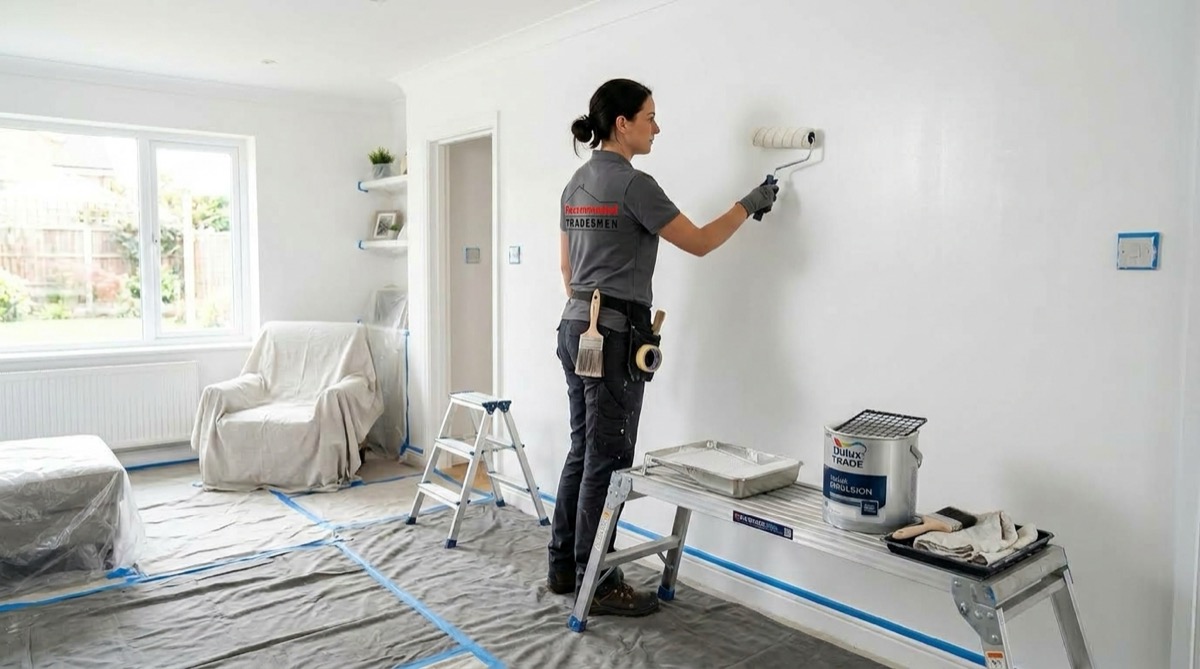
Scraped back, filled, primed and finished — a repair done properly stays done.
Why This Order Matters
We were called to a house in Purley where the homeowner had painted over peeling bathroom paint three times in two years. Each time it looked fine for a month, then bubbled again. The real problem was a leaking shower seal and no extractor fan. We fixed the leak, fitted a proper fan, killed the mould, primed with stain block and painted with bathroom-grade paint. That was four years ago and it's still fine.
Paint is only as good as the surface underneath it.
When to Call a Professional
- The peeling covers a large area
- You suspect damp or structural issues
- The surface is high up or difficult to reach
- You need a colour-matched finish
- The paint is old and may contain lead
Prevention Tips
- Fix leaks and improve ventilation in bathrooms and kitchens
- Always clean, sand and prime before painting
- Use the right paint for each surface
- Do not paint in damp or cold conditions
- Apply thin, even coats rather than thick ones
Common DIY Mistakes
- Painting over loose paint
- Using ordinary emulsion in bathrooms or kitchens
- Skipping primer on bare plaster or wood
- Not fixing the moisture source
- Painting in cold or humid conditions
Peeling Paint by Location
Bathrooms: Almost always moisture or ventilation. Don't repaint until you've fixed the source.
Kitchens: Grease, steam and frequent cleaning wear paint down. Use durable, washable finishes.
Exterior woodwork: Sun, rain and temperature movement cause paint to crack and peel. Proper prep is essential — see our exterior woodwork painting guide for timing and prep.
Ceilings: Often caused by condensation, leaks or painting over old nicotine-stained finishes. Use stain block primer.
Window sills and skirting boards: High-traffic areas where knocks and moisture take their toll. Eggshell or satin finishes last longer than matt.
When Is Peeling Paint a Sign of Something Serious?
Most peeling paint is a cosmetic issue, but sometimes it points to something bigger:
- Damp or leaks — brown stains, soft plaster or a musty smell
- Rising damp — damage low on walls, often with salt deposits
- Condensation — black mould in corners and behind furniture
- Subsidence or movement — diagonal cracks that reopen after filling
If you suspect any of these, fix the source before repainting. Painting over structural or damp problems just delays the inevitable.
Tools You'll Need for a Peeling Paint Repair
- Dust sheets and masking tape
- Scraper and wire brush
- Sandpaper (various grits)
- Filler and filling knife
- Stain block primer
- Suitable topcoat paint
- Good quality brushes and rollers
For small repairs, this is manageable. For whole walls or ceilings, it's usually quicker and cleaner to hire a professional.
Peeling Paint and Insurance
If you're planning to claim on insurance for water damage, get the damage documented before any repair work starts. Take clear photos and keep records of what was damaged and when. Most insurers want evidence before they'll cover redecoration costs.
We can provide written quotes and reports for insurance work if needed.
How to Stop Peeling Paint Coming Back
The only way to stop peeling paint permanently is to fix the cause. That might mean:
- Repairing a leak or improving ventilation
- Removing old paint and starting from a sound surface
- Using the right primer and paint
- Allowing proper drying time
- Not painting in unsuitable conditions
If you skip the cause, you'll be repainting again in a year.
Peeling Paint on Different Surfaces
Plaster walls: Usually caused by moisture, poor bonding or painting over old distemper. Needs stripping back, treating and priming properly.
Woodwork: Often caused by heat, moisture or paint applied over gloss without sanding. Strip, sand, prime and use a flexible wood primer.
Metal: Rust or poor adhesion. Sand back to bare metal, treat rust, use metal primer and exterior-grade topcoat.
Ceilings: Typically caused by condensation, leaks or nicotine stains. Fix the source, use stain block primer, then repaint. Each surface needs a slightly different approach — using the same product everywhere is a common reason repairs fail.
How Long Does a Peeling Paint Repair Take?
For a small patch:
- Stripping and sanding: 1–2 hours
- Priming: 30 minutes plus drying time
- Two topcoats: 1–2 hours each plus drying time
For a whole wall or ceiling, allow 2–3 days including drying. Rushing between coats is the fastest way to end up redoing it. Weighing up doing it yourself? Our DIY vs professional painter guide will help you decide, and our interior preparation guide shows what proper prep looks like. For local help, see our Croydon painter and decorator page.
Frequently Asked Questions
Can I paint over peeling paint?
No. The new paint will peel with the old layer underneath.
How do I know if it is damp or just bad paint?
Damp usually leaves brown stains, soft plaster or a musty smell. Bad paint often peels in sheets without staining.
What primer should I use?
Use a stain block primer for water damage, a plaster primer for bare plaster, and a wood primer for bare timber.
Can exterior paint peel from heat?
Yes. Extreme sun can cause exterior paint to blister and peel. Use exterior-grade products designed for the UK climate.
How long should I wait before painting over a repair?
Filler and primer should be fully dry. In normal conditions, 24 hours is usually enough.
Why does bathroom paint peel so often?
Because of steam, poor ventilation and cheap paint. Bathrooms need mould-resistant paint and usually an extractor fan.
Is peeling paint dangerous?
Not usually, but paint made before the 1990s may contain lead. If you're sanding old paint, test it or call a professional.
How do I stop paint peeling on exterior woodwork?
Strip loose paint, prime bare wood, use exterior-grade products, and paint when the weather is dry and mild.
Can I use one-coat paint over a repair?
Not recommended. Repairs need primer and usually two topcoats for a durable finish.
Do you guarantee peeling paint repairs?
If you spot a defect after we've repaired it, we will come to rectify for free.
Related Posts
Interior Preparation Before Painting: What the Pros Actually Do
The prep work that stops paint peeling in the first place
DIY vs Professional: When to Hire a Painter
When a peeling paint repair is beyond a weekend job
Exterior Woodwork Painting: Timing, Weather & Prep Guide
Fixing peeling paint on exterior woodwork properly
Services We Offer
Peeling paint usually means more than a quick repaint. Here's how we can help:
Interior Painting & Decorating
Proper diagnosis, prep, priming and a finish that lasts.
Exterior Painting
Peeling exterior woodwork, masonry and render repaired and repainted.
Plastering
Sound, smooth surfaces when the damage goes deeper than the paint.
Handyman Services
Small repairs, extractor fans fitted, leaks traced and sealed.
Peeling Paint Getting Worse?
We diagnose and fix peeling paint across Croydon, Purley, Kenley, Caterham, Warlingham, Redhill and surrounding areas. We'll find the real cause and fix it properly the first time.
Or email: info@recommended-tradesmen.co.uk
Last updated: September 2026. Based on 15+ years of painting and decorating homes in Surrey.