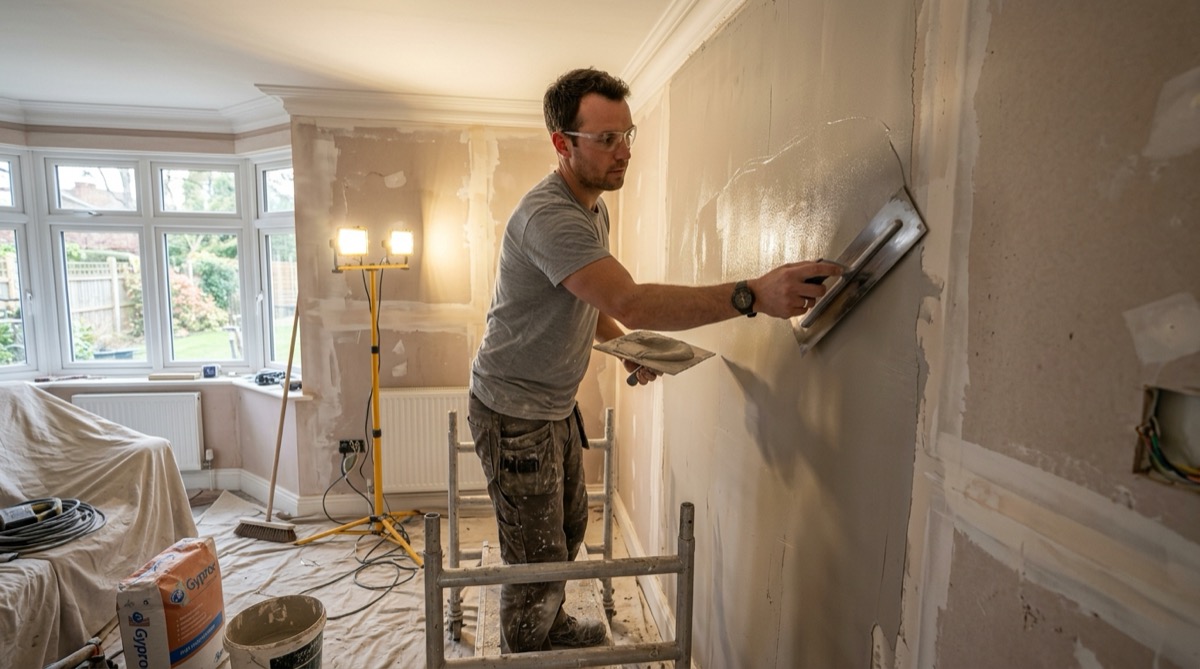
If your walls look tired, you might be told they need plastering. But plastering covers a range of jobs, and what you actually need could be a simple skim coat. We've worked with plasterers on hundreds of jobs across Croydon, Purley, Kenley, Caterham, Warlingham and Redhill over the last 15 years, and the difference between skimming and full plastering is the difference between a quick refresh and rebuilding a wall.
This guide explains the difference, when each is the right choice and what to expect in terms of cost and disruption.
"We are hard working professional tradesmen who charge fair price for good quality work and no nonsense. If you spot a defect, we will come to rectify for free."
— Fred, Recommended Tradesmen, Kenley
What Is Skim Coating?
A skim coat is a thin layer of finishing plaster applied over existing plaster or plasterboard. It smooths out minor imperfections, covers old wallpaper residue and gives a fresh surface for painting.
Best for:
- Walls that are mostly sound but uneven
- Removing wallpaper marks
- Refreshing a room before decorating
What Is Plastering?
Full plastering involves applying base coats and finish coats to bare brick, block or lath, or replacing damaged plaster. It is more involved than skimming and takes longer.
Best for:
- New walls or extensions
- Damaged or blown plaster
- Major repairs after leaks or renovations
- Rooms where the existing plaster is failing
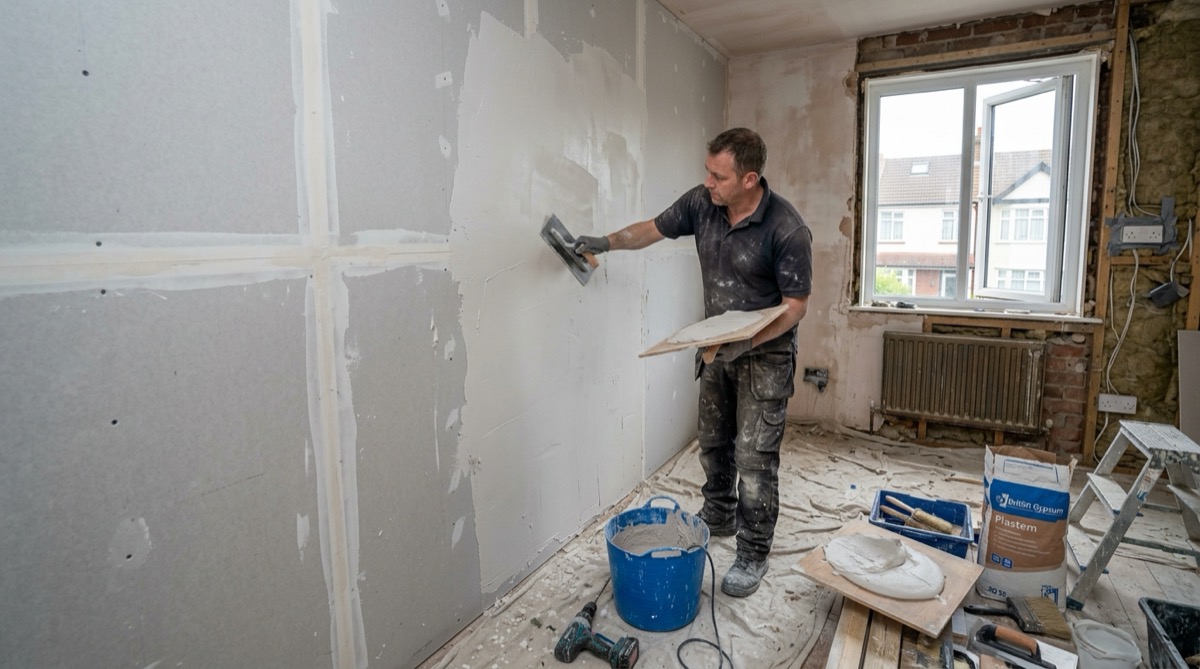
Full plastering means base coats over bare board, brick or lath — a bigger job than a skim, but sometimes the only right answer.
Skim Coating vs Plastering: Comparison
| Factor | Skim coat | Full plastering |
|---|---|---|
| Cost per room | £300–£600+ | £600–£1,500+ |
| Time per room | 1–2 days | 2–5 days |
| Dust | Moderate | High |
| Disruption | Lower | Higher |
| Result | Smooth painted finish | New wall surface |
These are guide prices including labour and materials. Every job is different, so quotes are always bespoke to the room.
When to Choose Skim Coating
Choose a skim coat if:
- The existing plaster is mostly sound
- You are redecorating and want a smooth finish
- Wallpaper has left a textured surface
- Budget is limited
When to Choose Full Plastering
Choose full plastering if:
- Plaster is blown, cracked or damp
- You have exposed brick or block
- You are renovating and walls need rebuilding
- The surface is too damaged for a skim coat
Why Plaster Needs to Dry Before Painting
This is where people rush it. Fresh plaster looks dry long before it actually is. We worked on a job in Purley where the decorator started painting after one week. Within a month, the paint blistered and peeled because the plaster was still releasing moisture. The customer had to pay to have it skimmed again and repainted. Plaster typically takes 2–6 weeks to dry fully, depending on thickness and ventilation. Then it needs a mist coat before the final colour. Our interior preparation guide covers what proper prep looks like from the decorating side.
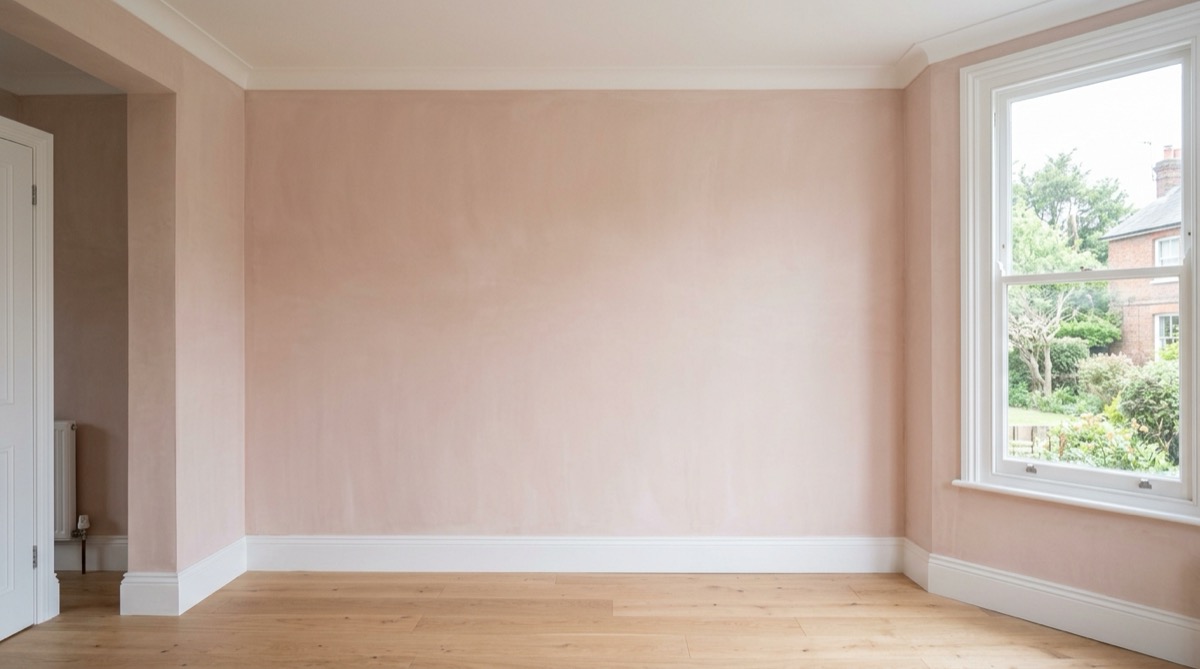
A good skim leaves a flawless, even surface — but it needs weeks to dry properly before any paint touches it.
The Painting Stage: What Comes Next
Once plaster is dry, the first coat should be a mist coat — diluted emulsion that soaks in without sealing the surface. Then two full topcoats follow. Painting directly onto dry-looking plaster with undiluted emulsion is another common reason finishes fail. Once your walls are ready, our interior painting and decorating service takes over from there.
How to Tell If You Need Skimming or Full Plastering
Run through these questions:
- Does the plaster sound hollow when tapped? → likely blown, needs replastering
- Are there hairline cracks only? → possibly a skim coat
- Is there damp or staining? → fix the source first, then assess the plaster
- Are you painting over old wallpaper residue? → skim coat after proper prep
- Is it bare brick or block? → full plastering needed
If you're unsure, a quick visit will tell us exactly what's needed. We won't quote for work that isn't necessary.
How We Work With Plasterers
We don't do full room replastering ourselves, but we manage the decorating sequence after plastering is complete. That means checking the plaster is dry enough, applying the mist coat, building up the topcoats and snagging the finish. Because we see the results every day, we know when plaster is ready — and when it isn't.
Costs and Timescales for Plastering in Surrey
| Job | Typical cost | Timeframe |
|---|---|---|
| Skim coat per room | £300–£600+ | 1–2 days |
| Full replaster per room | £600–£1,500+ | 2–5 days |
| Ceiling overboarding and skimming | £400–£800+ | 1–2 days |
| Patch repairs | £150–£400+ | Half to 1 day |
These are guide prices. The actual cost depends on room size, access, condition and whether old plaster needs removing — every quote is bespoke. Get a free quote for an exact figure.
Preparing a Room for Plastering
Before plasterers arrive:
- Remove furniture or move it to the centre and cover it
- Take down curtains, blinds and pictures
- Remove wallpaper and loose paint
- Fix any leaks or damp issues
- Ensure good ventilation for drying
The cleaner and clearer the room, the faster and better the job.
Signs You Need to Address Before Skimming or Plastering
Before any plastering work starts, check for:
- Persistent damp patches
- Cracks that keep reopening
- Bulging or blown plaster
- Evidence of woodworm or rot in lath
- Loose or crumbling brickwork
These problems need fixing first. Otherwise, even the best plaster job will fail.
Why Skimming Over Wallpaper Is a Bad Idea
Some people try to skim over wallpaper to save time. It rarely works. The wallpaper can bubble, peel or lift under the new plaster, taking the finish with it. Always strip wallpaper properly, clean the wall and prime or PVA if needed before skimming.
Plastering in Older Surrey Homes
Older properties in Croydon, Caterham and Warlingham often have lime plaster, lath-and-plaster ceilings, or horsehair plaster. These need different treatment from modern gypsum. Using gypsum products on old lime can trap moisture and cause damage. If your home is pre-1950s, tell the plasterer before quoting. They may need lime-based materials or a more careful approach.
Can You Decorate Straight After Skimming?
No. Even if plaster feels dry to the touch, it can still hold moisture deeper in. Decorating too early traps moisture and causes paint failure. Wait the full drying time, then apply a mist coat.
Mistakes After Plastering
- Painting too soon
- Using undiluted emulsion as the first coat
- Not ventilating during drying
- Hanging pictures or shelves before curing
- Filling holes too early
Patience after plastering always pays off. Rushing it usually means redoing the decorating.
Should You Skim Before Selling?
If you're preparing a property for sale in Croydon, Purley or Redhill, skimming tired walls is one of the cheapest ways to make rooms feel fresh. Buyers respond to smooth, freshly painted walls even if they can't explain why the room feels better. For rental properties, skim coating between tenancies keeps the property well-maintained and reduces the work needed each time a tenant moves. For local advice, see our Whyteleafe painter and decorator page.
Frequently Asked Questions
Can I paint straight after skimming?
No. Fresh plaster needs several weeks to dry fully, then a mist coat before painting.
How messy is plastering?
Skimming is relatively controlled. Full plastering creates more dust, especially if old plaster is removed.
Does skim coating cover cracks?
Small hairline cracks, yes. Structural or moving cracks need addressing first.
Can I skim over paint?
No. Paint should be removed or keyed so the plaster can bond.
How long does plaster take to dry?
Plaster typically takes 2–6 weeks to dry fully, depending on thickness and ventilation.
Do I need to remove wallpaper before skimming?
Yes. Wallpaper should be stripped and the wall prepared so the plaster can bond properly.
Can I paint fresh plaster with normal emulsion?
No — use a mist coat first. This is diluted emulsion that soaks into the plaster without sealing it.
What does blown plaster look like?
It sounds hollow when tapped and may crack or crumble. It means the plaster has lost its bond with the wall behind.
Is skim coating cheaper than plastering?
Yes — if the existing plaster is sound. Skimming is a faster, less disruptive job.
Can Recommended Tradesmen do plastering?
We handle small plastering repairs and prep work as part of decorating. For full room replastering or major repairs, we work alongside trusted plasterers we've used for years.
Related Posts
Interior Preparation Before Painting: What the Pros Actually Do
What happens between the plaster drying and the first coat
How to Fix Peeling Paint
Peeling or blistering paint over plaster? Start here
Property Refurbishment in Surrey: Where to Start
Bigger project? Get the sequence right — plaster before paint
Services We Offer
From surface repair to the final coat — here's how we can help:
Plastering
Small repairs and prep work, with trusted plasterers for full rooms.
Interior Painting & Decorating
Mist coats to final finish — the decorating sequence done right.
Exterior Painting
Render and masonry painting with the right breathable products.
Handyman Services
Patch repairs and snagging once the walls are ready.
Not Sure Whether Your Walls Need Skimming or Full Plastering?
We work across Croydon, Purley, Kenley, Caterham, Warlingham, Redhill, Whyteleafe and surrounding areas. We'll assess the job properly and tell you honestly what needs doing.
Or email: info@recommended-tradesmen.co.uk
Last updated: October 2026. Based on 15+ years of painting, decorating and working alongside plasterers in Surrey homes.