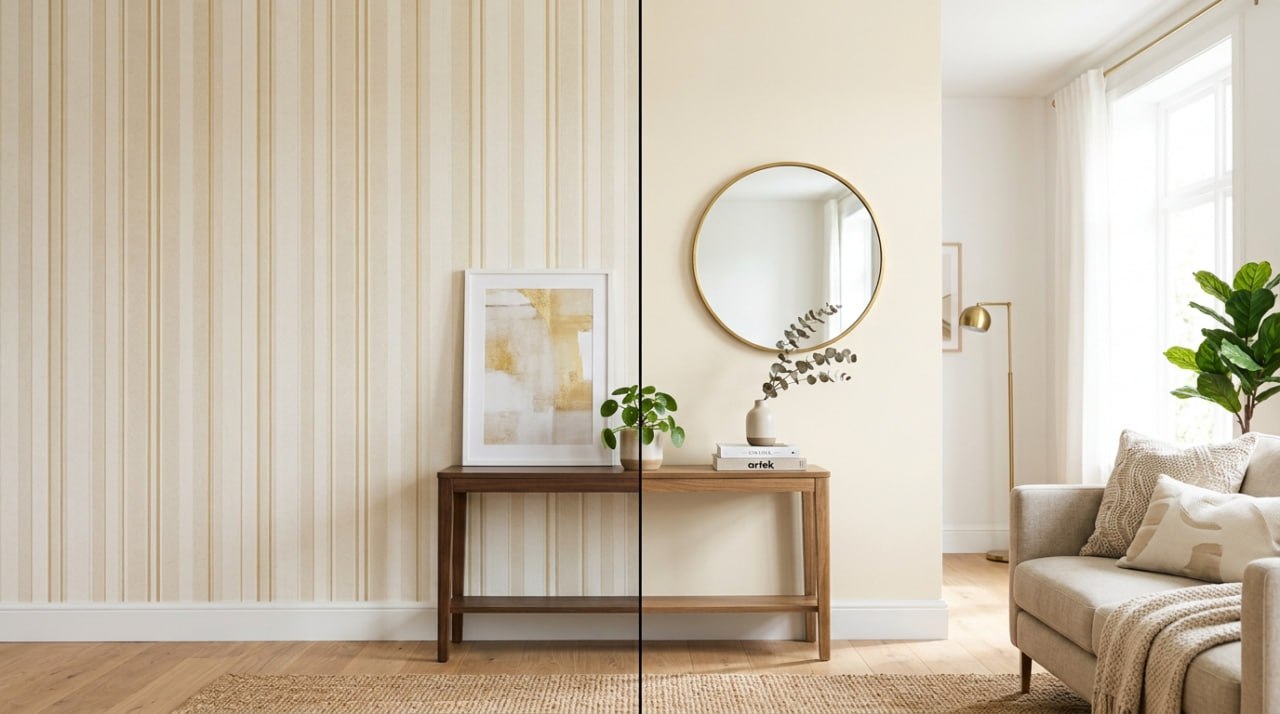
You're redecorating. Maybe it's one room, maybe the whole house. And you're stuck on the same question everyone asks: wallpaper or paint?
I've hung wallpaper and painted walls in hundreds of homes across Croydon, Purley, Kenley and Caterham. I've seen wallpaper that still looks perfect after 15 years. I've seen paint that needs redoing after 18 months because the walls weren't prepped properly. And I've seen the opposite — expensive wallpaper bubbling because the house was too damp, and cheap paint that outlasted it.
There's no single right answer. But there are wrong answers for specific rooms, budgets, and homes. This guide gives you the honest comparison so you choose what's right for your situation — not what a decorator or a wallpaper shop wants to sell you.
How to Choose: The Three Questions That Matter
Before you decide, answer these three questions. They'll narrow it down fast.
Question 1: What's the condition of your walls?
If your walls are smooth, sound, and free from cracks, paint is straightforward. If they're covered in old wallpaper, riddled with hairline cracks, or have uneven surfaces, wallpaper can hide a lot of sins that paint would highlight.
Old Surrey homes — especially the Victorian and Edwardian terraces in Croydon and Redhill — often have walls that have been wallpapered multiple times. Stripping all that off, skimming the walls, and then painting is expensive. Sometimes hanging new lining paper and wallpaper is the more sensible route.
Question 2: What's your budget — now and in five years?
Wallpaper costs more upfront. The paper itself, the paste, the lining paper, and the labour to hang it properly all add up. But high-quality wallpaper can last 10–15 years. Good paint might need refreshing in 5–7 years, especially in high-traffic areas. Cheap wallpaper is a false economy. It tears, fades, and peels at the seams. Cheap paint is less of a disaster — you can always repaint.
Question 3: What do you want the room to feel like?
Paint is clean, modern, and flexible. You can change the colour in a few years without much hassle. Wallpaper adds texture, pattern, and personality. A bold wallpaper in a small room can make it feel designed rather than decorated. But it also commits you to a look that's harder to change.
Why the Surrey Climate Matters
This is where the "local" part of this guide matters. Surrey homes face specific challenges that affect whether wallpaper or paint is the better choice.
Damp and humidity: Surrey isn't the wettest part of the UK, but it's not dry either. Older homes in Warlingham and Caterham can have solid walls without cavity insulation. These walls get cold and attract condensation. Wallpaper on a damp wall will bubble, peel, and eventually grow mould behind it. Paint — especially a breathable, moisture-resistant emulsion — handles this better.
Temperature fluctuations: South-facing rooms in Surrey get hot in summer. North-facing rooms stay cold in winter. Wallpaper expands and contracts with temperature changes. If the walls move too much, the seams split. Paint flexes more easily.
Period properties: Many Surrey homes are Victorian, Edwardian, or 1930s builds. They have character features — picture rails, dado rails, cornicing, ceiling roses. Wallpaper suits these features beautifully. A period-appropriate wallpaper above a dado rail, with paint below, is a classic Surrey look that adds value to the property.
New builds: If you're in a newer home in Coulsdon or Sanderstead, the walls are probably plasterboard with a decent skim. Paint is the obvious choice — easy, quick, and cost-effective. Wallpaper is overkill unless you specifically want a feature wall.
Wallpaper: The Pros and Cons
Pros:
- Hides imperfect walls: Cracks, uneven plaster, and old paint textures disappear under wallpaper. Lining paper smooths the surface before the decorative paper goes on.
- Texture and depth: A good wallpaper adds visual interest that paint can't match. Grasscloth, silk, and embossed papers catch light in ways that flat paint doesn't.
- Durability: High-quality vinyl wallpaper can be wiped clean, scrubbed, and will last 10–15 years in good conditions. It's ideal for hallways, children's rooms, and utility spaces.
- Pattern and personality: Bold prints, subtle textures, and period designs let you create a specific mood. A feature wall in a bedroom or dining room can transform the space.
- Insulation: Thick wallpaper with lining paper adds a thin layer of insulation. In older Surrey homes with solid walls, this can make a room feel slightly warmer.
Cons:
- Cost: Good wallpaper is £30–£100+ per roll. You need lining paper, paste, and specialist labour. A feature wall might cost £600–£900. A full room could be £1,200–£2,000.
- Removal: When you want to change it, stripping wallpaper is messy and time-consuming. Multiple layers of old paper can take days to remove properly.
- Damp issues: On cold, damp walls, wallpaper traps moisture. It bubbles, peels, and can harbour mould. Not suitable for bathrooms, kitchens with poor ventilation, or unheated rooms in older properties.
- Pattern matching: Complex patterns need careful alignment. A mistake in hanging is expensive to fix — you might need to buy more rolls.
- Trend risk: A bold pattern you love today might feel dated in five years. Changing wallpaper is expensive and disruptive.
Paint: The Pros and Cons
Pros:
- Flexibility: Bored of the colour? Paint over it. Fancy a change? Two coats and you're done. It's the most adaptable option.
- Cost: Even premium paint is cheaper than wallpaper. Dulux Trade vinyl matt is around £50 per 5 litres. Crown Trade Clean Extreme is £50–£60. A standard room needs two 5-litre tins and two to three days of labour.
- Repairability: Scuff a wall? Touch it up with leftover paint. Chip the wallpaper? You need a spare roll, perfect pattern matching, and a steady hand. Paint wins on maintenance.
- Moisture resistance: Modern kitchen and bathroom paints are formulated to resist steam and condensation. They're scrubbable and mould-resistant. Wallpaper can't compete in wet areas.
- Speed: A professional painter can prep and paint a room in 1–2 days. Hanging wallpaper properly takes longer, especially with pattern matching and lining paper.
- Clean lines: Crisp edges where walls meet ceilings, perfect cutting-in around skirting boards and architraves. Paint gives a sharp, modern finish that wallpaper can't replicate at the edges.
Cons:
- Shows imperfections: Every crack, dent, and uneven patch is visible. Old walls need filling, sanding, and priming before painting. This prep work adds cost and time.
- Less texture: Flat paint is, well, flat. Even textured finishes like suede or metallic effects don't have the depth of a quality wallpaper.
- Maintenance: High-traffic areas — hallways, children's rooms, kitchens — need repainting every 3–5 years. Scuffs, fingerprints, and marks build up.
- Colour commitment: Choosing a colour is harder than choosing a wallpaper. You live with it for years. Get it wrong and the whole room feels off.
- Multiple coats needed: Dark colours over light, light colours over dark, or painting over wallpaper glue residue — all need extra coats. A "quick paint job" rarely is.
Learn more: Dulux guide to choosing paint colours · Farrow & Ball colour inspiration
Room-by-Room Guide: Wallpaper or Paint?
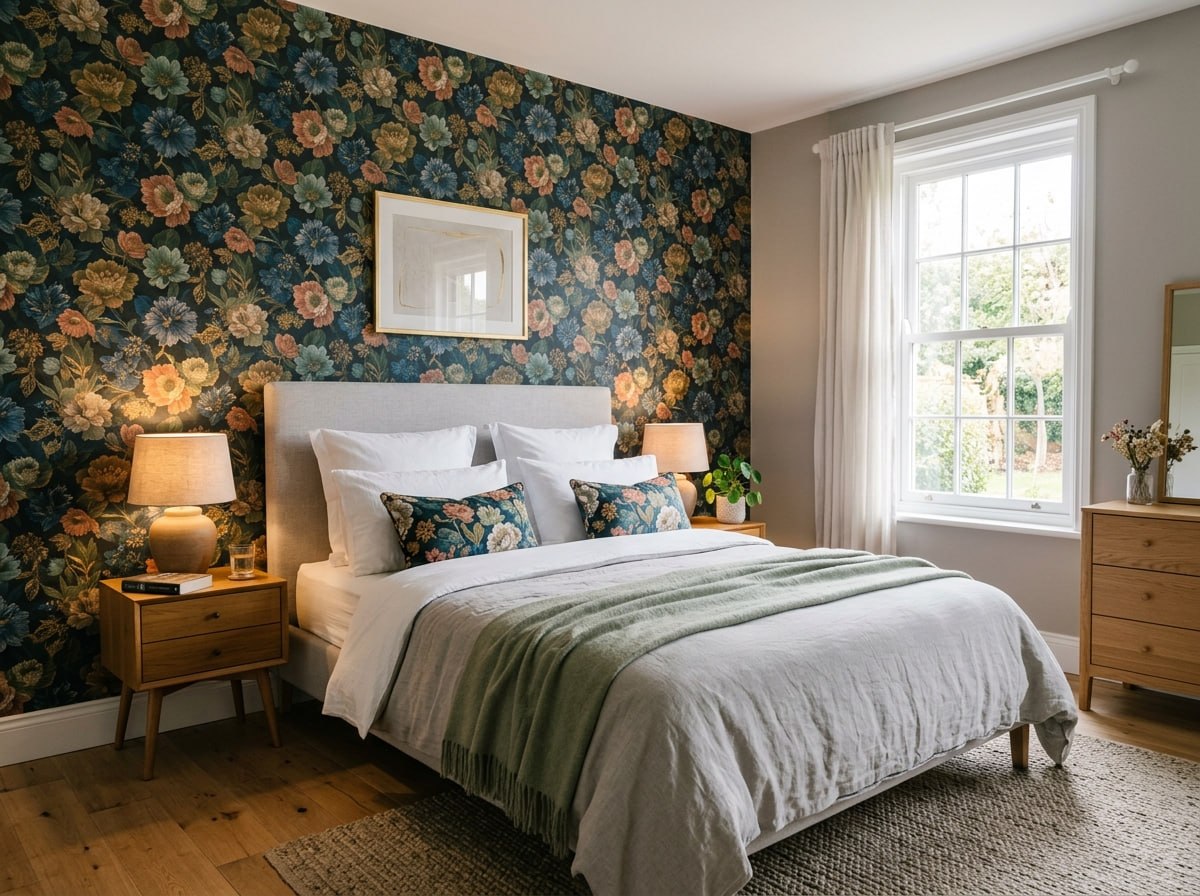
Living room: Either works. Paint is more popular for a clean, modern look. Wallpaper adds warmth and personality, especially on a feature wall. If you have period features — picture rails, fireplaces, cornicing — wallpaper above the dado rail with paint below is classic and adds value.
Bedroom: Wallpaper behind the bed as a feature wall is a popular choice. It creates a focal point without overwhelming the room. Paint the other three walls in a complementary colour. Avoid wallpaper in children's bedrooms — they'll draw on it, stick things to it, and damage it.
Kitchen: Paint, specifically kitchen and bathroom paint. Steam, grease, and splashes will ruin wallpaper within months. Use a scrubbable, moisture-resistant emulsion. We recommend Crown Trade Clean Extreme or Dulux Trade Diamond Matt for kitchens — they're designed for exactly this.
Bathroom: Paint, no question. Even "bathroom wallpaper" struggles with constant steam and condensation. Use a mould-resistant emulsion. If you want pattern, use a vinyl wallpaper on the ceiling only, or a tiled feature wall with paint elsewhere.
Hallway and stairs: High-traffic, high-impact area. Wallpaper in a hallway shows scuffs and marks quickly. Paint with a durable, scrubbable finish is better. However, if your hallway is wide and formal, a bold wallpaper with a dado rail can look stunning.
Dining room: Wallpaper works well. It's a low-traffic room where you can afford to be bold. Deep colours, rich textures, or period patterns create a formal, designed feel.
Utility room or garage: Paint. Cheap, practical, easy to clean. Wallpaper is pointless in these spaces.
Home office: Either. Paint for a clean, focused environment. Wallpaper for a creative, inspiring space. Just avoid busy patterns if you're on video calls — they distract and affect camera focus.
"I've hung wallpaper in grand dining rooms in Purley and painted modern kitchens in Coulsdon. Both can look brilliant. But the wrong choice in the wrong room is a nightmare. I've stripped wallpaper off bathroom walls that was mouldy underneath because the steam had nowhere to go. I've painted hallways that needed redoing every two years because the family had three kids and a dog. There's no shame in either option — but there is shame in choosing the wrong one for your situation. We always tell customers: tell us how you live in the room, and we'll tell you what works."
— Fred, Recommended Tradesmen, Kenley
Cost Comparison: What You'll Actually Pay
| Room | Wallpaper (Mid-Range) | Paint (Mid-Range) | Notes |
|---|---|---|---|
| Standard bedroom (3m × 3.5m) | £900–£1,200 | £700–£1,000 | Wallpaper includes lining paper, paste, labour. Paint includes prep, two coats, materials. |
| Living room (4m × 5m) | £1,200–£1,800 | £1,000–£1,400 | Feature wall only reduces wallpaper cost. Full room paint is cheaper. |
| Hallway, stairs, landing | £1,200–£1,500 | £900–£1,200 | Wallpaper in hallways needs more frequent maintenance. |
| Kitchen | £900–£1,300 (vinyl) | £700–£1,000 | Wallpaper not recommended. Kitchen-specific paint is essential. |
| Bathroom | £800–£1,100 (vinyl) | £600–£900 | Wallpaper not recommended. Mould-resistant paint only. |
Important: These are guide prices based on standard room sizes and typical wall conditions. Every job is different — some rooms need less prep, some need significantly more. The only way to get an accurate price for your specific project is to get in touch for a bespoke quote. We assess the room in person and give you a fixed price with no hidden extras.
Note on Pricing:
The prices above reflect the London and Surrey market for professional decorating work, including proper preparation. Actual costs vary depending on wall condition, room height, access, and the quality of materials chosen. We always recommend a free, no-obligation visit to assess your specific requirements before booking.
The Hybrid Approach: Using Both
Most professionally decorated homes use both. Here's how:
- Paint everywhere, wallpaper on one feature wall. The most common approach. Flexible, cost-effective, and easy to change the feature wall later.
- Wallpaper above the dado rail, paint below. Classic period look. Adds warmth and character to Victorian and Edwardian homes. The dado rail protects the wallpaper from scuffs at hand height.
- Wallpaper in formal rooms, paint everywhere else. Dining room, formal living room, or master bedroom feature wall in wallpaper. Everything else in paint. Best of both worlds.
- Painted woodwork, wallpapered walls. White or off-white skirting boards, architraves, and doors with wallpapered walls. Crisp, clean, and timeless.
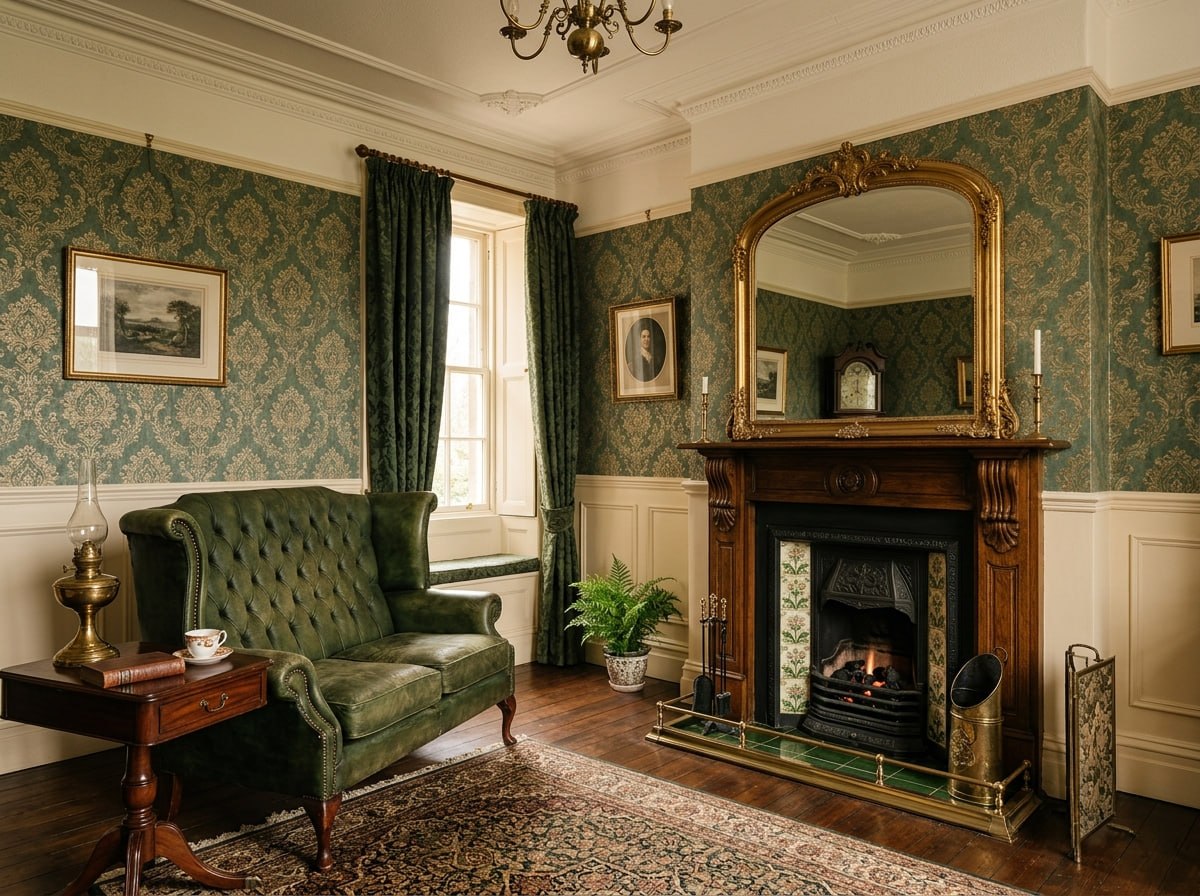
We do both. Our wallpapering service includes stripping old paper, preparing walls with lining paper, and hanging new wallpaper with sharp seams and perfect pattern matching. Our interior painting includes full prep, priming, and finishing. Most projects we do involve both.
Related Reading
How Much Does It Cost to Paint a Room in Surrey?
Detailed pricing for paint jobs
How to Hire a Painter in Surrey: 5 Red Flags
Spot the warning signs before you book
Handyman vs Painter: Which Trade Do You Actually Need?
When to hire which trade for your decorating job
External resources: Which? guide to decorator costs · Citizens Advice on hiring tradespeople
Frequently Asked Questions
Is wallpaper more expensive than paint?
Yes, wallpaper costs more upfront. The paper, lining paper, paste, and specialist labour all add up. A standard bedroom in wallpaper costs £900–£1,200 compared to £700–£1,000 for paint. However, high-quality wallpaper can last 10–15 years, while paint in high-traffic areas might need refreshing every 5–7 years. Over the long term, the cost difference narrows.
Should I wallpaper or paint my living room?
Either works well. Paint is more popular for a clean, modern look and is easier to change. Wallpaper adds warmth, texture, and personality, especially as a feature wall. If your living room has period features like picture rails or a fireplace, wallpaper above the dado rail with paint below is a classic look that adds value. Consider how you use the room and how often you want to redecorate.
Can you wallpaper a bathroom?
We don't recommend it. Even vinyl bathroom wallpaper struggles with constant steam and condensation. Moisture gets behind the paper, causing bubbling, peeling, and mould. Use a mould-resistant, moisture-resistant emulsion paint instead. If you want pattern in a bathroom, consider a vinyl wallpaper on the ceiling only, or a tiled feature wall with paint elsewhere.
Does wallpaper last longer than paint?
High-quality wallpaper can last 10–15 years in the right conditions. Paint in low-traffic areas can last a similar time, but in hallways, children's rooms, and kitchens, it typically needs refreshing every 3–7 years. Wallpaper is more durable in terms of surface wear but less forgiving of damp or steam. The right choice depends on the room and your lifestyle.
Is wallpaper better for covering bad walls?
Yes. Wallpaper — especially with lining paper underneath — hides cracks, uneven plaster, and old paint textures that paint would highlight. In older Surrey homes with solid walls that have been wallpapered multiple times, stripping everything and skimming is expensive. New lining paper and wallpaper can be the more practical solution. But if the walls are damp, wallpaper will trap moisture and cause problems.
Can you paint over wallpaper?
You can, but we don't recommend it. Paint over wallpaper often shows seams, bubbles, and texture differences. If the wallpaper is vinyl, paint won't adhere properly. If you must paint over wallpaper, use an oil-based primer first to seal the surface, then paint. But stripping the wallpaper and starting fresh always gives a better result. We include wallpaper stripping in our preparation process.
What paint is best for high-traffic areas?
For hallways, stairs, and children's rooms, use a scrubbable, durable emulsion. Dulux Trade Diamond Matt and Crown Trade Clean Extreme are both excellent — they withstand washing, scrubbing, and knocks. Avoid standard retail emulsions in high-traffic areas. They mark easily and don't clean well. In kitchens and bathrooms, use a moisture-resistant, mould-inhibiting paint specifically formulated for wet areas.
How much does it cost to wallpaper a room in Surrey?
A standard bedroom costs £900–£1,200 for mid-range wallpaper including lining paper, paste, and labour. A living room costs £1,200–£1,800. The price depends on the wall condition, the complexity of the pattern, the room height, and whether old wallpaper needs stripping first. The only way to get an exact price is a free, no-obligation visit where we assess the room.
Should I use lining paper before wallpaper?
Yes, always. Lining paper smooths the wall surface, hides minor imperfections, and helps the decorative wallpaper adhere properly. It prevents the wallpaper from shrinking as it dries and makes future removal easier. We hang lining paper horizontally and the decorative paper vertically to prevent seams aligning. Skipping lining paper is a false economy — the wallpaper won't last as long or look as good.
What wallpaper is best for period homes?
Period homes suit traditional patterns: damasks, florals, stripes, and Arts and Crafts designs. Morris & Co, Sanderson, and Little Greene all make authentic period wallpapers. Anaglypta — textured wallpaper that can be painted over — is another good option for period homes as it mimics traditional plasterwork. For a classic Surrey look, wallpaper above the dado rail with paint below is timeless and adds value.
Send Us Photos — We'll Recommend Wallpaper, Paint, or Both
WhatsApp or email photos of your room and we'll tell you honestly whether wallpaper, paint, or a combination works best. No obligation, no sales pitch.
Or email: info@recommended-tradesmen.co.uk
Last updated: July 2026. Based on 15+ years of painting, wallpapering, and decorating in Surrey. If you're still unsure which option is right for your home, give us a call — we'll tell you honestly what works best.