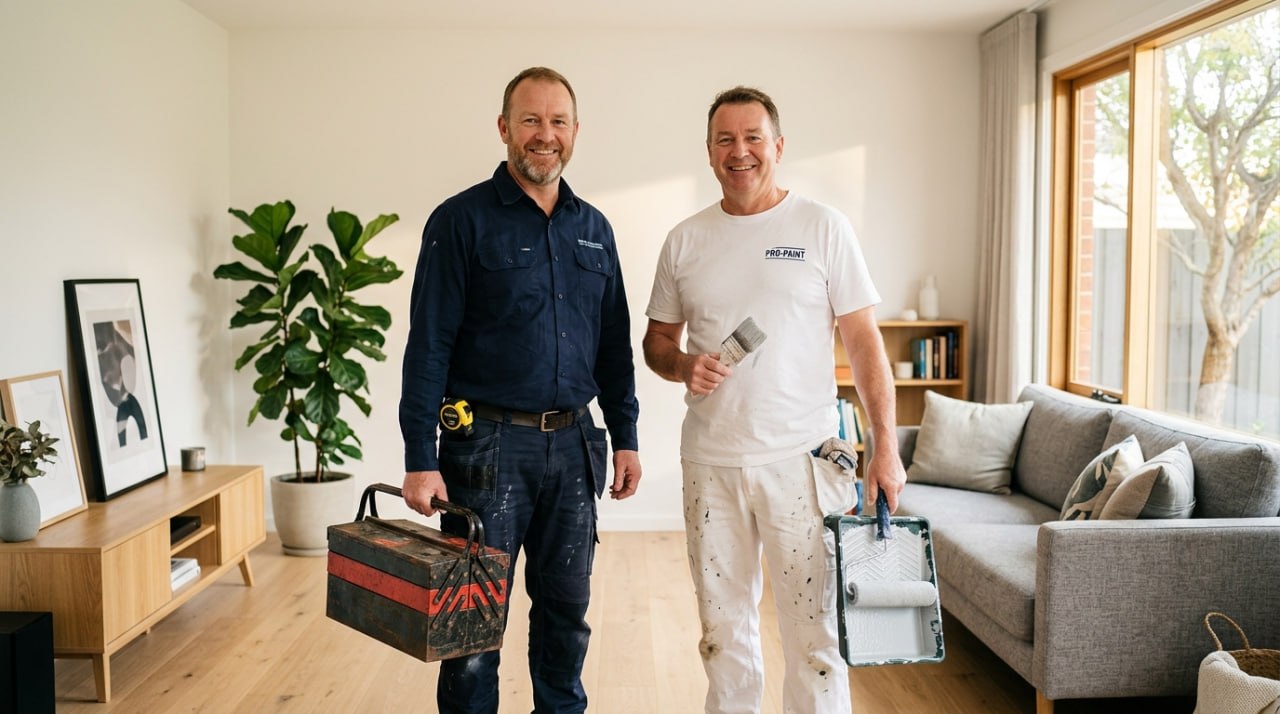
You've got a list of jobs that need doing. Some involve paint. Some don't. You're wondering whether to hire a handyman or a painter — or whether you need both.
I've lost count of the number of times I've arrived at a job in Croydon or Purley and the customer says, "I thought a handyman could do the painting too." Or the opposite: "I called a painter but they said they don't fix doors."
Both trades overlap. Both do work that the other could technically handle. But "could" and "should" are different things. A handyman can paint a wall. A painter can fix a shelf. But the result will be very different.
Here's how to decide which trade you actually need — and when it makes sense to hire both.
If the main job is painting or decorating, hire a painter.
If the main job is repairs, maintenance, or installation, hire a handyman.
If the job list includes both, hire a handyman who works with painters — or hire both and coordinate them.
It's not more complicated than that. The confusion comes when jobs sit in the middle — like hanging wallpaper, fitting a curtain rail, or painting a kitchen cabinet. Those need skill, but which skill?
A professional painter's job is to make your walls, ceilings, and woodwork look flawless and last for years. Here's what that actually involves:
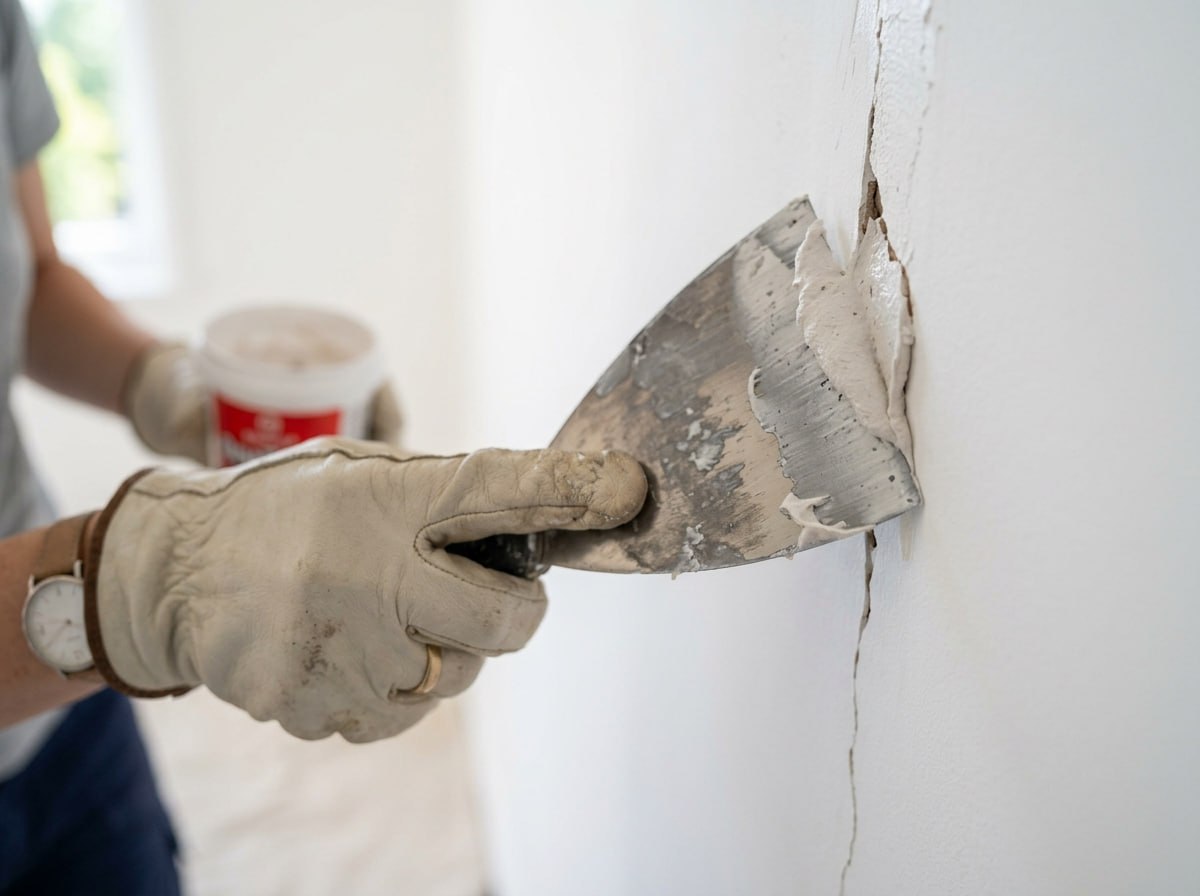
Surface preparation: Filling cracks, sanding smooth, priming bare plaster or wood, sealing stains, cleaning surfaces. This is 70% of the job and determines whether the finish lasts 2 years or 10.
Paint application: Cutting in clean lines, rolling evenly, avoiding drips and roller marks, applying the right number of coats for the colour and surface.
Finish quality: Consistent sheen, no brush marks, no missed spots, crisp edges where walls meet ceilings and woodwork.
Protection: Covering floors, furniture, fixtures, and carpets. Using dust sheets and masking tape properly. Cleaning up thoroughly afterwards.
Product knowledge: Knowing which paint works on which surface, which primer blocks stains, which finish is scrubbable, and which brands cover properly in two coats.
A painter spends years perfecting these skills. It's not just "putting paint on a wall" — it's understanding how paint behaves on different surfaces, in different temperatures, over different materials.
Learn more: Dulux guide to professional painting techniques
A handyman is a generalist. They handle the jobs that don't need a specialist but still need doing properly. Here's what a good handyman covers:
General repairs: Fixing door hinges, adjusting cupboard doors, repairing skirting boards, mending fence panels, sealing gaps around windows.
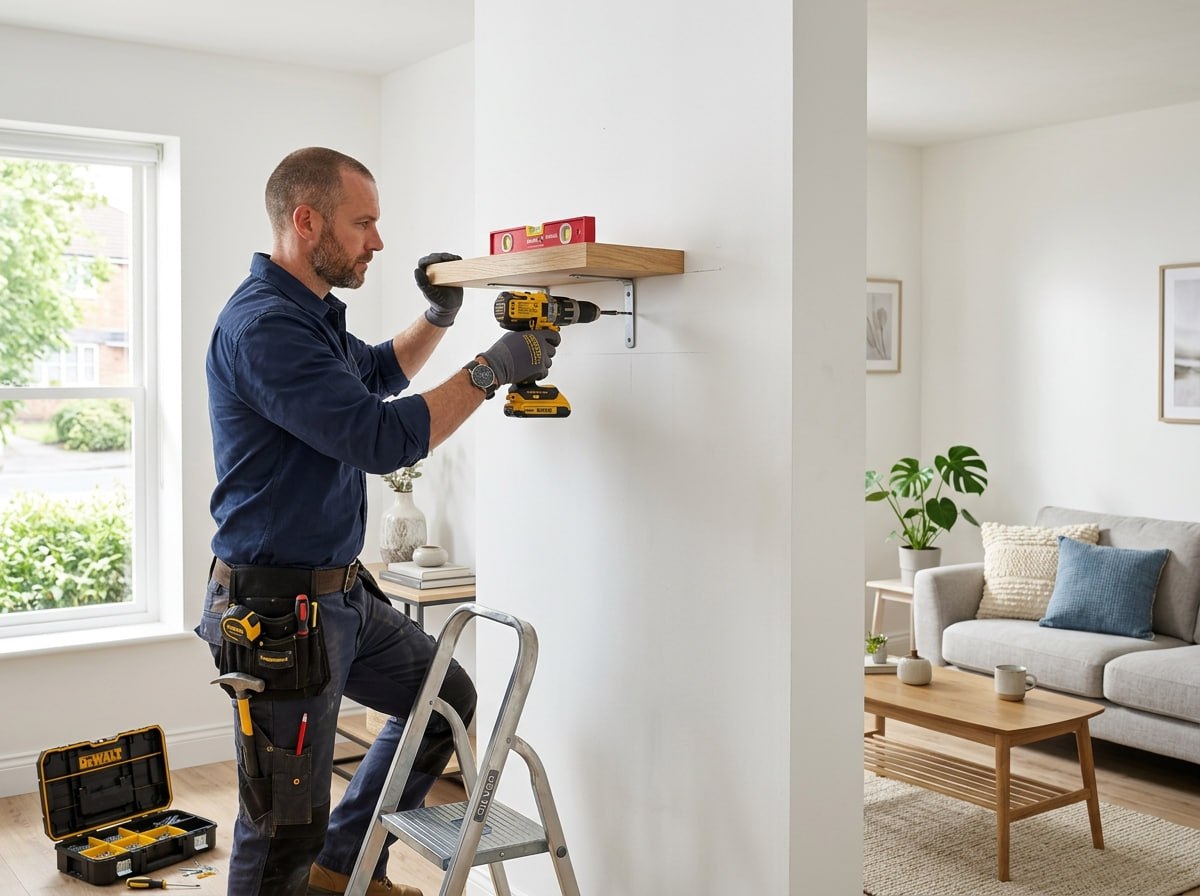
Installation: Fitting curtain rails, blinds, shelves, mirrors, picture frames, TV brackets, and light fixtures.
Maintenance: Re-siliconing around baths and sinks, re-grouting tiles, replacing washers in taps, clearing gutters, treating woodwork.
Minor building work: Putting up stud walls, laying laminate flooring, assembling flat-pack furniture, building garden structures.
Finishing touches: The jobs that come after decorating — rehanging radiators, reinstalling fixtures, fitting door handles, attaching trims.
A good handyman knows when a job is beyond them and will recommend a specialist. A bad handyman pretends they can do everything and ends up doing most of it badly.
See our handyman services for repairs, installations, and maintenance across Surrey.
A customer in Kenley called us last year. She'd hired a handyman to paint her hallway, stairs, and landing. He'd quoted £700 — about half what we'd quoted. She thought she was getting a deal.
Three months later, the paint was peeling above the skirting boards. The cutting-in lines were wobbly. There were roller marks on the ceiling. And he'd got paint on the carpet because he hadn't protected it properly.
She called us to fix it. We had to sand everything back, seal the stains he'd painted over, and repaint the whole area. It cost her £1,400. Her "cheap" handyman job cost her £2,100 in total — and she lived with a bad job for three months.
The handyman wasn't a bad bloke. He was honest and turned up on time. But he wasn't a painter. He didn't understand that the hallway walls needed sealing because they'd been previously wallpapered. He didn't know that the woodwork needed a shellac primer to block the tannins in the timber. He just painted over it all and hoped for the best.
That's the difference. A painter knows what the surface needs. A handyman knows how to hold a brush.
"We get called after handymen have had a go at painting. Usually it's fine if it's just a single wall in a utility room or a garden fence. But for hallways, living rooms, or anything with prep work, you need a painter. We're not being precious — it's just that painting properly is a skill. I've spent 15 years learning what paint does on different surfaces, in different temperatures, over old wallpaper or bare plaster. A handyman can't know all that. They've got their own skills."
— Fred, Recommended Tradesmen, Kenley
There are times when a handyman is the right choice for painting work:
Single walls in low-traffic areas: A utility room, a garage, a garden shed. If the surface is sound and the finish doesn't need to be perfect, a handyman can handle it.
Garden fences and sheds: Exterior woodwork that needs weatherproofing but doesn't need a perfect finish. Handymen often do this well.
Touch-ups and maintenance: Re-painting a scuffed skirting board, touching up a small area where the paint has chipped. Quick jobs that don't need a full professional setup.
When you're already hiring them for other work: If you've got a handyman fitting shelves, hanging curtains, and fixing doors, it might make sense to ask them to paint a single wall while they're there. Just don't expect the same finish as a professional painter.
Budget constraints: If you genuinely can't afford a painter and the job is small, a handyman is better than doing it yourself badly. But be realistic about the result.
Some jobs need both trades working together. Here's when that makes sense:
Full room renovations: You're stripping wallpaper, repairing plaster, painting, and then fitting new curtain rails and shelves. A painter does the decorating. A handyman does the fittings. The handyman should come after the painter, not before — otherwise the new paint gets damaged during installation.
Kitchen or bathroom updates: You're painting cabinets, tiling, and replacing fixtures. The painter handles the cabinet painting. The handyman fits the new taps, shelves, and accessories. The tiler does the tiles. Coordination matters — the painter needs to finish before the handyman installs over the fresh paint.
Pre-sale property prep: You're selling your house and need everything looking sharp. A painter freshens the walls. A handyman fixes the squeaky door, the loose handle, and the cracked tile. Together, they make the house look maintained rather than just decorated.
New builds or extensions: The builder leaves. The plasterer finishes. The painter comes next. Then the handyman fits the kitchen units, hangs the doors, and installs the bathroom fixtures. The order matters. Get it wrong and the painter is painting around installed units, which takes longer and costs more.
For a painter:
- Ask to see photos of similar work
- Ask about their prep process (filling, sanding, priming)
- Check they know about paint types and finishes
- Ask about protection for floors and furniture
- Get a detailed written quote
- Check reviews for finish quality and cleanliness
For a handyman:
- Ask what they do and what they don't do
- Ask for photos of previous work
- Check if they have insurance (public liability)
- Ask whether they guarantee their work
- Be clear about what you need — don't assume they'll handle everything
- Check reviews for reliability and punctuality
For both:
- Ask about coordination if you need both trades
- Get the order right — painter first, then handyman for fittings
- Make sure they know about each other if they're working on the same project
- Get separate quotes so you can compare
Related Reading
How to Hire a Painter in Surrey: 5 Red Flags
Spot the warning signs before you book
DIY vs Professional: When to Hire a Painter
Some jobs you can do yourself. Here's how to decide.
How Much Does It Cost to Paint a Room in Surrey?
Know what fair pricing looks like before you get quotes
External resources: Citizens Advice on hiring tradespeople · Which? guide to painter costs
Should I hire a handyman or a painter for painting work?
If the main job is painting or decorating, hire a painter. They understand surface preparation, paint types, primers, and finishing techniques that make the difference between a job that lasts 2 years and one that lasts 10. A handyman can paint single walls, garden fences, or touch-ups, but for rooms, hallways, or anything needing prep work, a painter is the right choice.
Can a handyman paint a room properly?
A handyman can paint a room, but the result depends on the condition of the walls and the quality you expect. For smooth walls in good condition with no prep needed, a handyman can do a reasonable job. For wallpaper stripping, plaster repairs, stained walls, or anything needing priming and sealing, you need a painter. The preparation is what determines whether the finish lasts.
What jobs should I hire a handyman for?
Hire a handyman for repairs, maintenance, and installation work: fixing door hinges, fitting curtain rails and blinds, hanging shelves and mirrors, assembling furniture, re-siliconing around baths and sinks, replacing tap washers, clearing gutters, and treating exterior woodwork. A handyman is a generalist who handles the jobs that don't need a specialist.
Do I need both a painter and a handyman?
You need both if your project involves painting AND other work like fitting fixtures, hanging curtains, or repairs. The painter should finish before the handyman installs anything. If the handyman fits shelves or curtain rails over fresh paint, the paint gets damaged and needs touching up. Plan the order: prep and paint first, then install fittings.
How much does a handyman cost compared to a painter?
Handymen typically charge £30–£50 per hour. Painters charge £250–£350 per day depending on the job complexity and their experience. A handyman might quote less for painting, but if the prep isn't done properly, you'll pay again to fix it. For painting work, a painter's day rate usually includes proper prep, materials knowledge, and a finish that lasts — which is better value long-term.
Can a painter do handyman work?
Some painters can handle basic handyman tasks like filling small holes, fixing loose skirting boards, or rehanging a door. But most painters focus on decorating and don't carry the tools or skills for broader repairs. If you need both painting and general repairs, ask your painter if they coordinate with a handyman, or hire both separately.
What's the difference between a painter and a decorator?
A painter applies paint to walls, ceilings, and woodwork. A decorator handles the broader job including colour advice, wallpapering, soft furnishings, and the overall look of a room. Many tradespeople do both — they paint, hang wallpaper, and advise on colours and finishes. We offer interior painting and decorating, wallpapering, carpentry, and plastering as part of a complete service.
What jobs can a handyman not do?
A handyman should not do work that requires a specialist qualification: gas boiler repairs (Gas Safe registered), electrical rewiring (Part P certified), major structural alterations (building control), asbestos removal (licensed contractor), or complex plumbing (plumber with NVQ). Handymen are generalists — they should know their limits and recommend a specialist when a job needs certification or carries significant safety risks.
Should I get a handyman to paint my kitchen cabinets?
Kitchen cabinets need specialist paint and preparation. The surfaces must be degreased, sanded, primed with a bonding primer, and painted with a hard-wearing, scrubbable finish. A handyman might not have the experience with these products or techniques. If the cabinets are expensive or you want a professional finish, hire a painter who has done kitchen cabinet work before.
Send Us Photos — We'll Tell You Which Trade You Need
WhatsApp or email photos of your job and we'll tell you honestly whether you need a painter, a handyman, or both. No obligation, no sales pitch. Based in Kenley, covering all of Surrey. No obligation, just honest advice.
Or email: info@recommended-tradesmen.co.uk
Last updated: July 2026. Based on 15+ years of painting and decorating in Surrey. If you're still unsure which trade you need, give us a call — we'll tell you honestly what's best for your job.